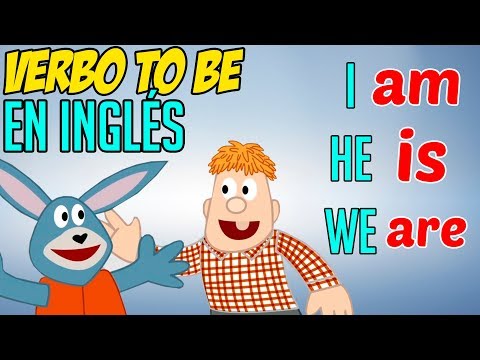
El verbo to be en presente: am, is, are
El verbo to be (ser/estar) es el primero que necesitas en inglés y tiene tres formas en presente: I am, he/she/it is y you/we/they are. Sirve para unir el sujeto con un nombre, un adjetivo o un lugar, como en "I'm tired.", "She is a doctor." o "We are friends.". En el inglés hablado casi siempre se contrae: I'm, you're, he's, she's, it's, we're, they're. Ojo con el fallo más típico de quien habla español: en inglés nunca puedes omitir el verbo, así que no digas "She happy" ni "I from Brazil", aunque en español el verbo se sobreentienda o suene natural sin él.
Ejemplos
- I'm tired. the speaker feels tired
- She is a doctor. her job is doctor
- We are friends. the people are friends
La lección completa
Todo lo del vídeo, en texto.
-
En muchos idiomas basta con decir she happy o I from Brazil. En inglés, eso está mal — y la solución es siempre el mismo verbito.
-
Ese verbo es to be. Es el primer verbo que necesitas en inglés, y tiene tres formas en presente. Domina estas tres y ya podrás construir frases de verdad.
-
Aquí está todo el patrón. I lleva am. He, she e it llevan is. Y you, we y they llevan are. Solo tres formas para todos los sujetos.
-
¿Qué hace realmente to be? Es un verbo de enlace. Conecta el sujeto con quién o qué es, con una cualidad, o con un lugar.
-
Veámoslo. Con I, usa am — aquí, enlazándome con un sentimiento. I am tired.
-
Con she, he o it, usa is. Aquí la enlaza con un oficio. She is a doctor.
-
Con we, you o they, usa are. Aquí nos enlaza entre nosotros. We are friends.
-
También sirve para el lugar. You lleva are, incluso para una sola persona. You are at home.
-
Y it lleva is — para cosas, el clima, la hora. It is cold today.
-
Ahora la parte que te hace sonar natural. Al hablar, el inglés casi siempre contrae to be. I am se vuelve I'm, she is se vuelve she's, we are se vuelve we're.
-
Así que la frase de la médica, tal como la dice la gente, suena así. She's a doctor.
-
Aquí está la gran trampa. Muchos idiomas omiten el verbo — she happy, I from Brazil. En inglés nunca puedes dejar fuera to be. El verbo tiene que estar.
-
Así que recuerda: I am, he, she, it is, y you, we, they are. Nunca lo omitas — y al hablar, contráelo.